
How Tokenized Real World Assets Work (With Simple Examples)


Tokenized real-world assets (often shortened to RWAs) are one of the easiest ways to understand what “crypto in the real world” can actually look like.
Instead of a token representing only a digital thing (like a meme coin or a governance token), an RWA token is designed to represent a claim on something that exists off-chain—like U.S. Treasury bills, real estate, invoices, or private credit.
This isn’t magic, and it’s not automatically safer than traditional finance. But when it’s done well, tokenization can make real-world exposure more accessible, more programmable, and easier to move—without needing the same number of middlemen.
Below is a simple, practical breakdown of how tokenized RWAs work, step by step, plus examples you can picture.
- What “Tokenization” Means (In Plain English)
- The Basic RWA Tokenization “Pipeline”
- Example 1: Tokenized Treasuries (The Most Common RWA)
- Example 2: Tokenized Real Estate (Where Expectations Get Tricky)
- Example 3: Tokenized Private Credit (Real Yield, Real Risk)
- On-Chain vs Off-Chain: The Single Best Mental Model
- The Benefits of Tokenized RWAs (When Done Well)
- The Biggest Risks (And Why They’re Different From “Normal Crypto”)
- A Practical Checklist Before You Touch an RWA Token
What “Tokenization” Means (In Plain English)
Tokenization is the process of turning an asset (or a legal claim to an asset) into a digital token that can be held, transferred, or used inside blockchain-based systems.
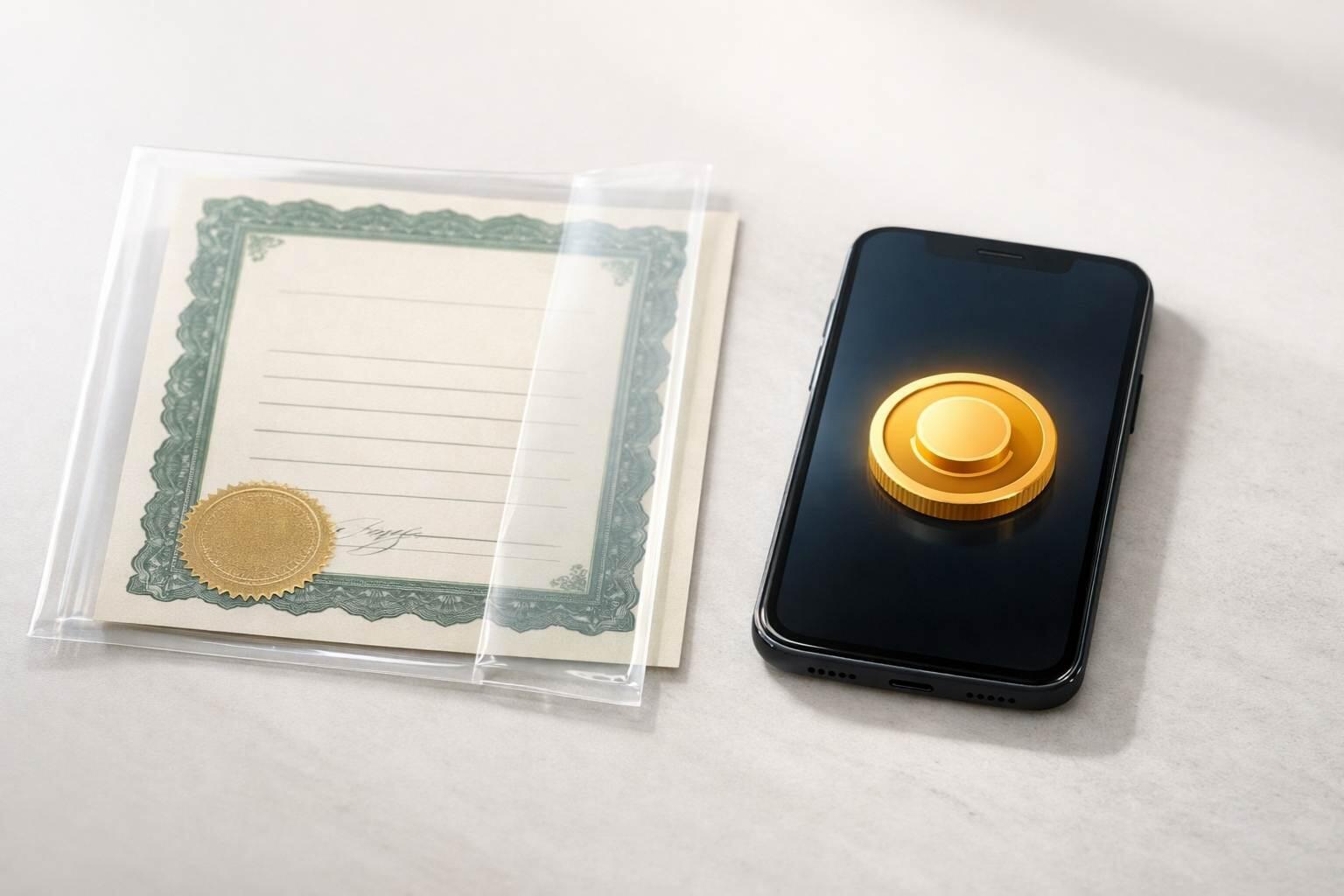
Think of a token like a digital wrapper around a real-world position.
But here’s the key detail: most RWA tokens do not mean you own the physical asset directly. Instead, you typically own a token that represents a legal claim—often through a company, trust, or special purpose vehicle (SPV) that holds the asset.
So the real question isn’t “Is it on-chain?”
It’s: What does the token legally represent, and who enforces that claim?
The Basic RWA Tokenization “Pipeline”
Most tokenized RWAs follow a similar structure:
The asset exists off-chain
Example: Treasury bills held at a broker/custodian, a building, or a pool of loans.A legal structure holds the asset
Often, an SPV, fund, trust, or issuer entity owns the asset and defines investor rights.Tokens are minted on-chain
Tokens represent a claim on the asset (or the cash flows), based on the issuer’s terms.Users buy/hold/transfer tokens
Depending on the product, tokens may be transferable freely, restricted, or only redeemable through certain channels.Redemption and settlement connect the two worlds
In a strong design, holders can redeem tokens for cash or the underlying exposure under clear rules.
This “bridge” between real-world custody and on-chain tokens is where most of the risk and complexity live.

Example 1: Tokenized Treasuries (The Most Common RWA)
What it is: A token that tracks (or represents a claim on) a pool of short-term U.S. Treasury bills.
How it works (simple version):
An issuer buys Treasury bills and holds them with a regulated custodian.
The issuer mints tokens that represent claims on that Treasury exposure.
Token holders benefit from yield (either through price increases, distributions, or both).
Some tokens can be used in DeFi as collateral or in liquidity pools.

Why people like it:
Familiar asset class (government debt)
Often marketed as “real yield” compared to speculative tokens
It can be easier to move or integrate into on-chain systems
What to watch: redemption rules, fees, who holds the bills, and whether the token is restricted to certain investors/jurisdictions.
Example 2: Tokenized Real Estate (Where Expectations Get Tricky)
What it is: A token representing an interest tied to a property (or a company that owns property).
Two common structures:
Equity-like: token represents shares/units in an entity that owns the property
Debt-like: token represents a loan backed by the property (you’re effectively a lender)
Where beginners get confused:
Holding a token doesn’t automatically mean you can “cash out anytime.” Real estate is inherently illiquid, and tokenization doesn’t magically create buyers.

What tokenization can improve:
Smaller minimum investments
Faster settlement (in some models)
Easier fractional ownership tracking
Potential secondary markets (but not guaranteed)
What to watch: property valuation methodology, rental income distribution, legal ownership chain, and exit/liquidity realities.
Example 3: Tokenized Private Credit (Real Yield, Real Risk)
What it is: A token representing exposure to loans—like business loans, consumer loans, or invoice financing.
How it works (simple version):
A platform originates or buys loans off-chain.
Cash flows (interest + principal) are pooled.
Tokens represent a claim on that pool’s performance.
Yield can be paid out periodically or reflected in the token price.

Why it’s attractive: higher yields than government debt.
Why it’s risky: credit defaults, weak underwriting, limited transparency, and liquidity constraints.
What to watch: underwriting standards, default rates (if disclosed), seniority, collateral, and third-party audits.
On-Chain vs Off-Chain: The Single Best Mental Model
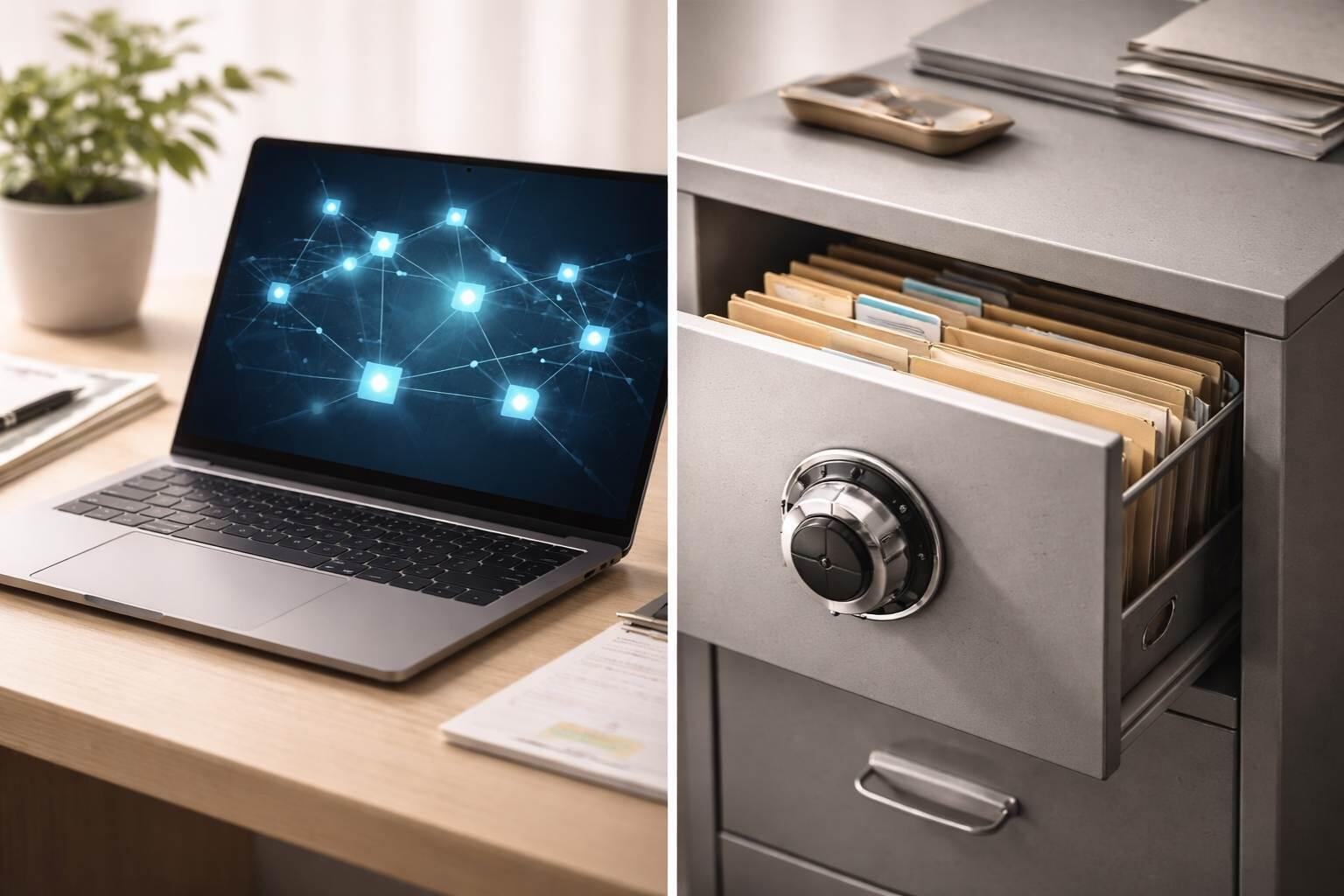
A helpful way to evaluate RWAs is to split them into two layers:
On-chain layer (what you can see):
Token supply and transfers
Smart contract rules (mint/burn, restrictions, fees)
Any on-chain collateral (if present)
Off-chain layer (what you must verify):
Who holds the real asset
What the legal claim is
Whether reserves are real and match the token supply
Redemption rights and timelines
Regulatory compliance and investor protections
If the on-chain layer is clean but the off-chain layer is weak, you’re basically trusting a promise.
The Benefits of Tokenized RWAs (When Done Well)
Tokenized assets can provide real advantages:
Access: smaller minimums, broader distribution (sometimes)
Speed: faster settlement than traditional rails (depending on product)
Programmability: RWAs can be used as collateral, integrated into DeFi, or automated with smart contracts
Transparency (partial): on-chain activity is visible, even if off-chain custody isn’t fully transparent
But benefits only matter if the structure is robust.
The Biggest Risks (And Why They’re Different From “Normal Crypto”)
Tokenized RWAs add extra failure points:
Issuer risk: You depend on the company behind the token
Custody risk: who actually holds the asset, and can it be seized/frozen?
Regulatory risk: RWAs often look like securities or funds in many jurisdictions
Redemption risk: the token may trade, but can you redeem at net asset value?
Transparency gaps: “proof” can be incomplete, delayed, or unverifiable
Liquidity risk: A token can exist without a healthy market
A useful rule: the more the token depends on off-chain enforcement, the more it behaves like traditional finance—plus blockchain complexity.
A Practical Checklist Before You Touch an RWA Token

Use this quick filter:
What exactly does the token represent? (equity, debt, claim, receipt, IOU?)
Who is the issuer, and where are they regulated (if at all)?
Who holds the underlying assets? (custodian name matters)
Is there redemption? At what price and timeline?
Are there audits, attestations, or proof-of-reserves processes?
What fees exist (management, mint/redeem, performance)?
What happens in bankruptcy or legal disputes?
If you can’t answer most of these, you’re not evaluating an asset—you’re evaluating marketing.
Tokenized real-world assets connect traditional assets to blockchain rails through a legal and operational bridge: custody, issuers, contracts, and redemption mechanics. When that bridge is strong, RWAs can offer useful exposure and new on-chain functionality. When it’s weak, the token is just a fragile promise.
If you want to explore RWAs, start with understanding the structure first—then the yield. The order matters.
More tips for your financial journey