
Credit Score 101: The 7 Factors That Matter (And How to Improve Each One)


A credit score can feel mysterious—until you realize it’s built from a handful of predictable signals.
The good news: you don’t need “hacks” to improve it. You need the right habits, applied consistently, and a plan that avoids common traps.
In this guide, you’ll learn the 7 factors that influence your score and exactly what to do to strengthen each one over time.
- 1) Payment History: The “Trust” Signal
- 2) Amounts Owed: Credit Utilization (Especially on Cards)
- 3) Length of Credit History: Time Is an Ingredient
- 4) Credit Mix: Different Types of Credit (in Moderation)
- 5) New Credit: Recent Accounts and Applications
- 6) Credit Inquiries: Hard vs. Soft Pulls
- 7) Errors and Reporting: Your Score Is Only as Good as Your Data
- A Simple 30-Day Credit Improvement Checklist
- When You Need Funding While Rebuilding Credit (Compare Options Carefully)
- What Not to Do (Even If It Sounds Tempting)
1) Payment History: The “Trust” Signal
Payment history is the most important piece of your credit profile. Lenders want to see that you consistently pay what you owe, on time.

How to improve it:
Set autopay for at least the minimum on every account. Then manually pay extra when you can.
Use calendar alerts 7 days before due dates as a backup.
If you missed a payment, get current ASAP—delinquency hurts more the longer it stays unpaid.
Ask about goodwill adjustments after you’re caught up (it’s not guaranteed, but it can help in some cases).
Credit-safe habit: Pay bills early, not “on the due date.” Early payments reduce the chance of a mistake.
2) Amounts Owed: Credit Utilization (Especially on Cards)
Credit utilization measures how much of your available revolving credit you’re using. A high utilization ratio can lower your score even if you pay in full each month—because the balance may be reported before your payment posts.

How to improve it:
Keep utilization low by paying mid-cycle (not just once a month).
Make multiple small payments during the month if needed.
Increase available credit cautiously (e.g., a credit limit increase) only if you won’t spend more.
Spread balances across cards rather than maxing one card.
Practical targets: Many people aim to keep overall utilization under 30%, and even lower if they’re preparing for a mortgage or major loan. (You don’t need perfection—just consistency.)
3) Length of Credit History: Time Is an Ingredient
This factor rewards a longer track record. It looks at things like the age of your oldest account, newest account, and average age across accounts.

How to improve it:
Avoid closing old credit cards unless there’s a strong reason (like high fees you can’t downgrade).
Keep older accounts active with a small recurring charge (like a streaming service) and autopay.
Be patient: this factor strengthens naturally as your accounts age.
Credit-safe habit: If you have a no-fee old card, keeping it open can help your credit history’s “age.”
4) Credit Mix: Different Types of Credit (in Moderation)
Credit mix refers to having experience with different credit types—typically revolving credit (credit cards) and installment loans (auto, student, personal loans). It’s usually a smaller factor than payment history and utilization.
How to improve it:
Don’t take out loans just to “build mix.” Interest costs can outweigh any small benefit.
Use what fits your real life—a well-managed card plus a legitimate installment loan can be enough.
Rule of thumb: Mix is a “nice-to-have,” not a reason to borrow.
5) New Credit: Recent Accounts and Applications
Opening multiple new accounts in a short time can signal risk. New accounts also reduce your average credit age.

How to improve it:
Batch applications strategically: avoid applying for several accounts close together.
Plan before a major purchase (mortgage/car loan)—keep new credit activity minimal beforehand.
Use prequalification tools when available to reduce unnecessary applications.
Credit-safe habit: Apply for new credit only when it supports a clear financial goal.
6) Credit Inquiries: Hard vs. Soft Pulls
Hard inquiries happen when you apply for credit and can slightly lower your score for a period of time. Soft inquiries (like checking your own score) do not harm your credit.
How to improve it:
Limit “just browsing” applications for cards or loans.
Rate-shop smartly: Some scoring models treat multiple auto or mortgage inquiries within a short window as one event (when done for rate shopping).
Check your credit report regularly to catch inquiries you don’t recognize.
Credit-safe habit: If you’re rate shopping, do it within a tight timeframe so it’s clearly a comparison process.
7) Errors and Reporting: Your Score Is Only as Good as Your Data
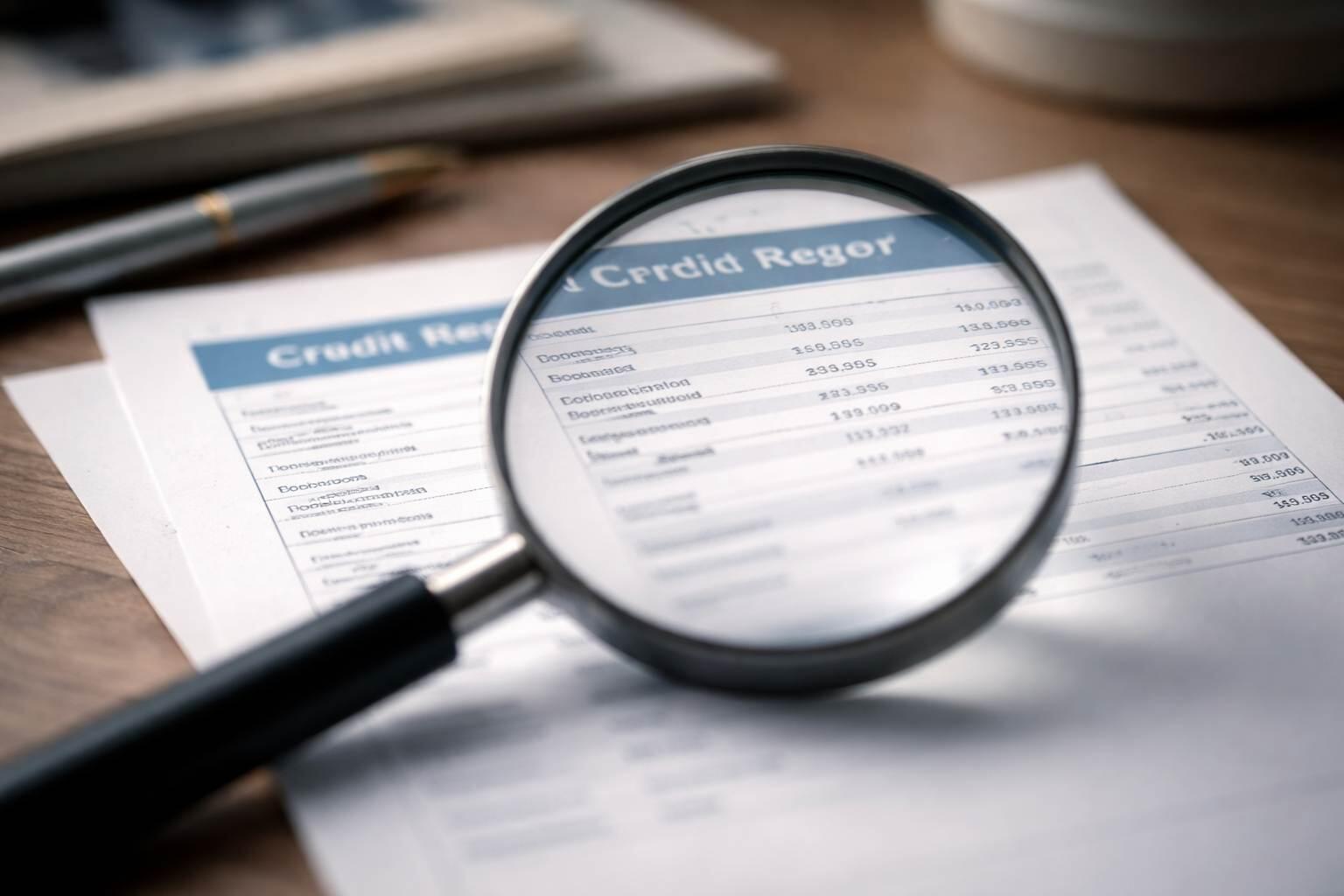
Your credit score is based on what’s in your credit report. Mistakes happen: wrong balances, duplicate accounts, or payments marked late incorrectly.
How to improve it:
Review your credit reports for accuracy (accounts, balances, payment status, limits).
Dispute legitimate errors with clear documentation.
Confirm updates after disputes are resolved.
Credit-safe habit: Set a recurring reminder (monthly or quarterly) to review key items on your report.
A Simple 30-Day Credit Improvement Checklist
Use this as a realistic plan that can move the needle without gimmicks:
Turn on autopay for minimum payments on every account.
Pick one utilization goal (example: keep each card under 30%, or lower if possible).
Make one mid-cycle payment to reduce reported balances.
Check your credit report for errors and unfamiliar inquiries.
Pause new applications unless necessary.
Keep older accounts active with a small recurring charge + autopay.
Create a “credit calendar” with due dates and reminders.

When You Need Funding While Rebuilding Credit (Compare Options Carefully)
Rebuilding your credit is a process—and sometimes life doesn’t wait (car repairs, medical bills, moving costs).
If you need to explore a personal loan while your score is still recovering, focus on offers that are transparent about APR, fees, and repayment terms before you commit. One place some people use to compare options for borrowers with less-than-perfect credit is BadCreditLoans.com.
If you choose to check it out, treat it as a starting point—not the finish line:
Compare the total cost (APR + fees), not just the monthly payment.
Borrow only what you can realistically repay on schedule.
Avoid stacking multiple loans to “catch up”—that often makes credit recovery harder, not easier.
If you’re unsure, pause and reassess your budget before signing anything.
Credit-safe rule: The best “credit-building loan” is one you can repay comfortably and consistently.
Explore loan options here: BadCreditLoans.com
What Not to Do (Even If It Sounds Tempting)
Don’t close multiple cards at once without understanding the impact on utilization and credit age.
Don’t take on debt just to “build credit.” Pay for your goals first.
Don’t ignore a missed payment—fast action matters more than perfection.
Don’t chase quick fixes that cost fees or require risky behavior.
Your credit score isn’t a moral grade—it’s a snapshot of how you manage credit. Focus on the big levers: on-time payments, low utilization, and steady, intentional credit use. Pick two habits from the checklist and commit to them for 30 days. Then reassess—small changes, repeated, are what build strong credit over time.
More tips for your financial journey