
7 Things to Stop Buying If You Want to Save Money Fast


Save money fast usually isn’t about one dramatic change—it’s about removing a few repeat purchases that quietly drain your budget every week.
The good news: you don’t have to “give up everything” to see progress. You need a smarter default for the categories that cost the most and deliver the least value.
Below are seven common money leaks and simple swaps that can free up cash immediately.
- 1) Daily Drinks You Could Make at Home
- 2) Convenience Food (Delivery, Takeout, and “I’m Too Tired” Meals)
- 3) Name-Brand Groceries When Store Brands Are Just as Good
- 4) Subscription Services You Rarely Use
- 5) New Clothes You Bought Because “They Were on Sale.”
- 6) Impulse Buys at Checkout or Online “Add-On” Items
- 7) Bank Fees and Interest Charges You Can Avoid
- A Simple 10-Minute Checklist to Save Money This Week
- How to Turn These Savings Into Real Progress
1) Daily Drinks You Could Make at Home
Coffee, energy drinks, bottled smoothies, and fountain sodas feel small in the moment—but they add up fast because they’re frequent. A $5 drink a few times a week can quietly become a monthly bill you never planned for.
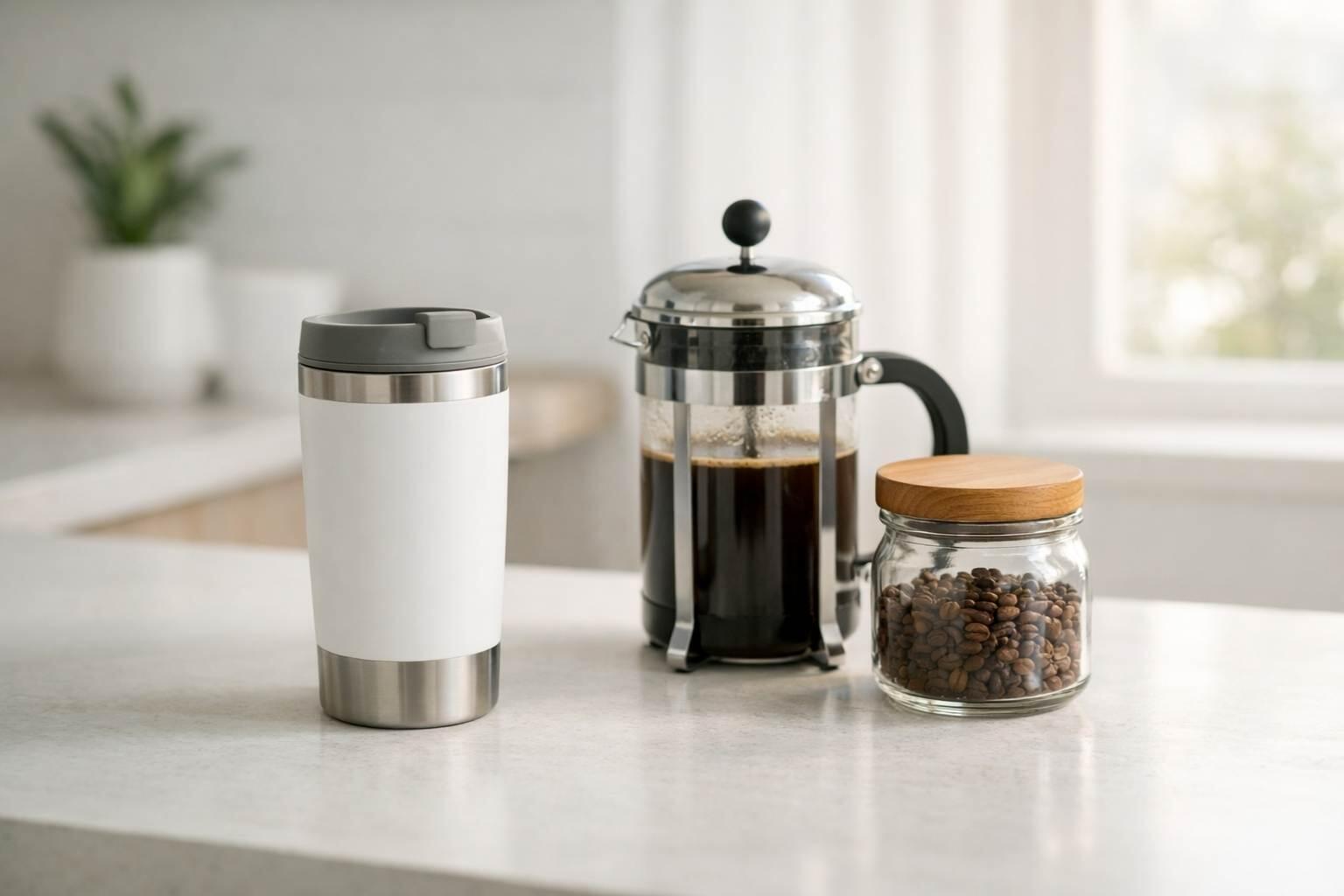
Save-money swap ideas:
Make coffee at home and keep a travel mug in your bag/car
Buy a pack of your go-to drink for “planned treats,” not daily habits
Keep a simple “office stash” (tea bags, instant coffee, electrolyte packets)
Quick rule: If you buy it more than twice a week, it belongs in a plan—not an impulse.
2) Convenience Food (Delivery, Takeout, and “I’m Too Tired” Meals)
Food delivery is expensive because you’re paying for the meal plus fees, tips, and markups. Even quick takeout can cost double (or more) than a basic meal at home.
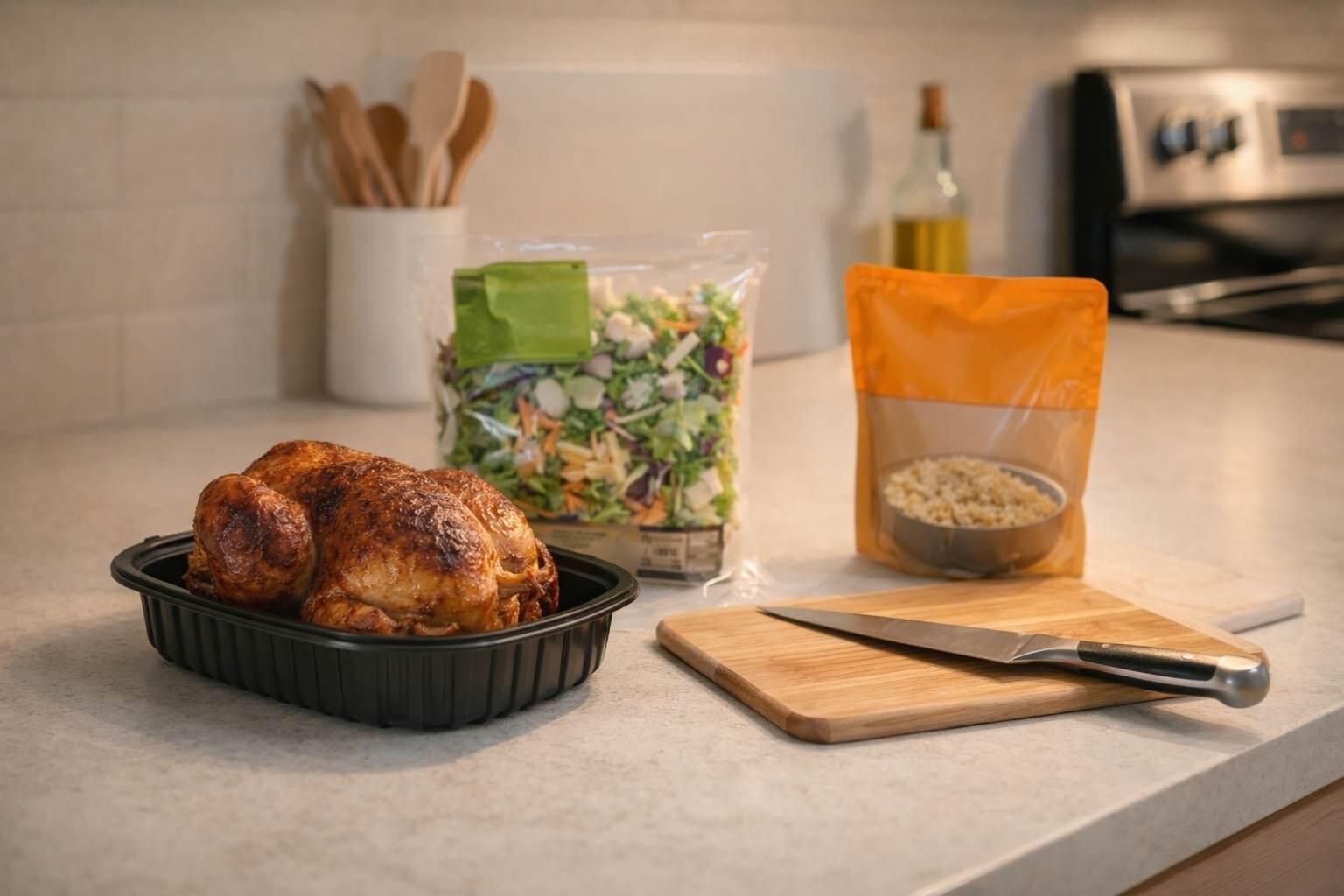
Save-money swap ideas:
Build a “lazy dinner” list: frozen skillet meals, rotisserie chicken + salad kit, eggs + toast, burrito bowls
Cook once, eat twice: double one dinner per week and refrigerate the extra
Set a delivery limit (example: 1 time per week or 2 times per month)
Quick win: Delete delivery apps for 30 days and decide intentionally when to reinstall.
3) Name-Brand Groceries When Store Brands Are Just as Good
Brand loyalty is costly, and most store brands are comparable—especially for basics. Even swapping a handful of items can reduce your grocery bill without changing what you eat.
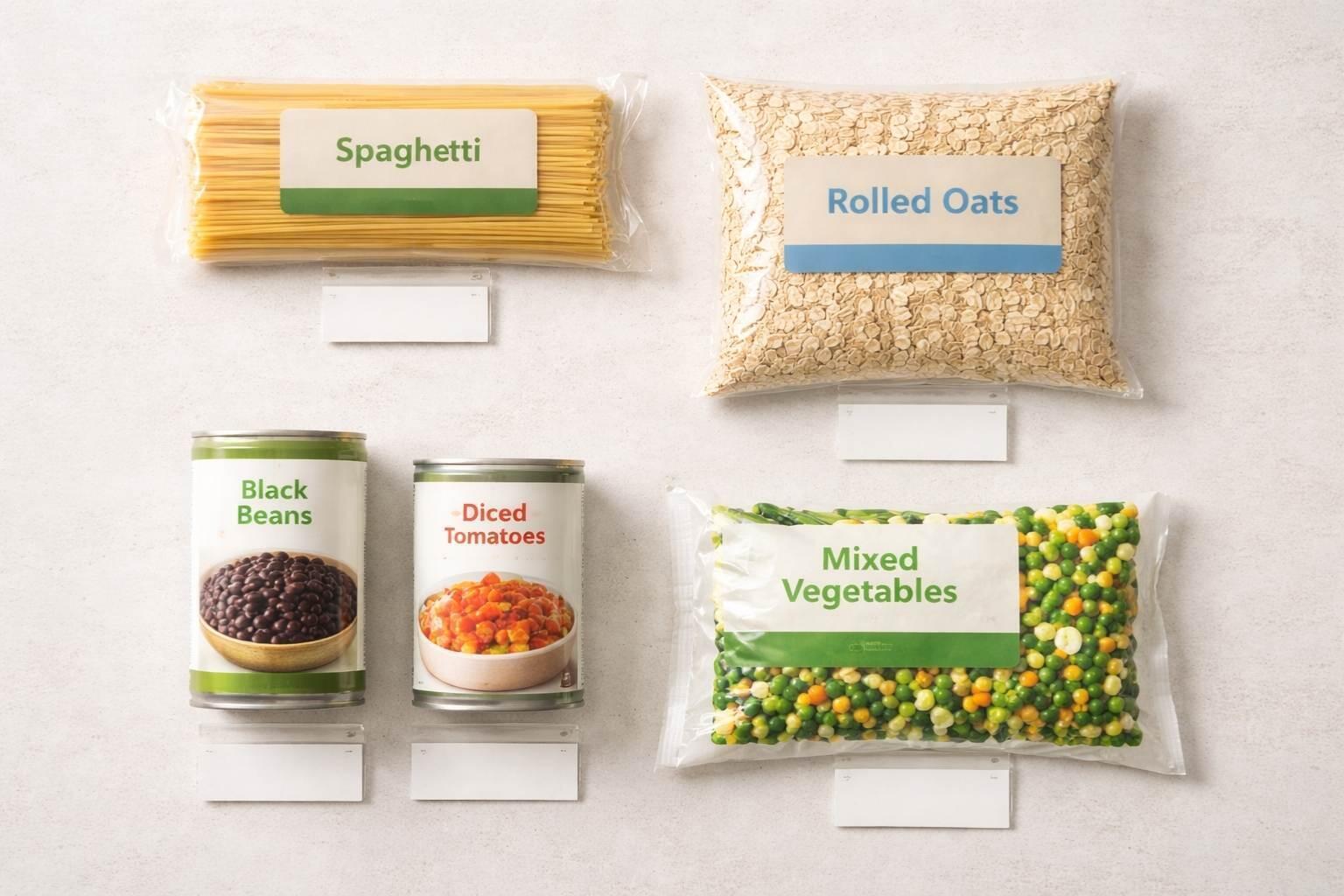
Save-money swap ideas:
Switch to store-brand: oats, pasta, rice, canned beans, frozen vegetables, spices
Use name-brand only for your “non-negotiables” (pick 3–5 items)
Compare unit prices (cost per ounce/pound) to make the best call
Quick rule: If you can’t taste the difference, buy the cheaper option.
4) Subscription Services You Rarely Use
Streaming, music, apps, game passes, and “free trials” that turned into monthly charges can drain your budget silently. Subscriptions are sneaky because they don’t feel like spending.
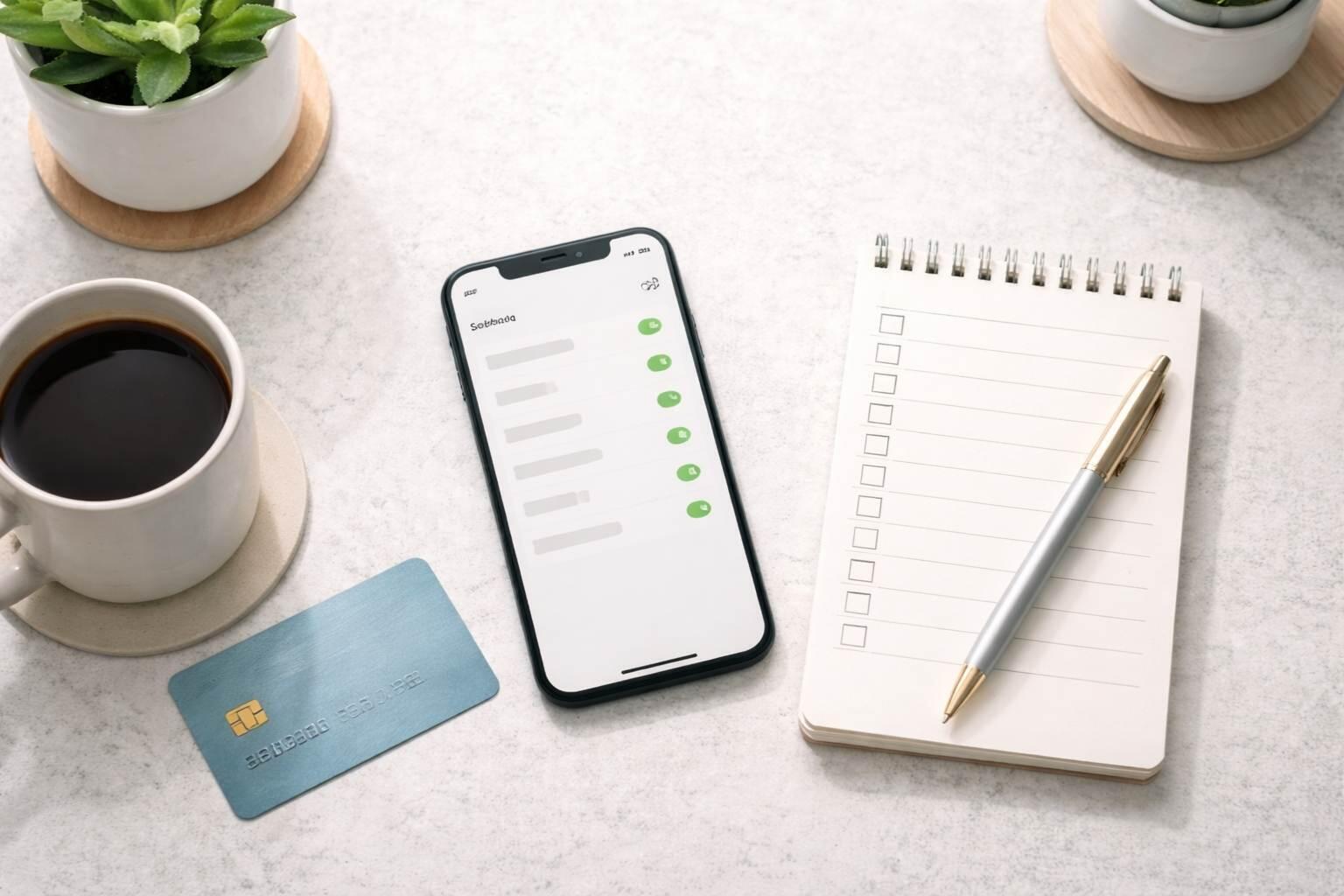
Save-money swap ideas:
Cancel everything and add back only what you truly use
Rotate subscriptions (one at a time) instead of paying for several
Check your bank statements for charges you forgot existed
Quick win: Pick one day this week as “subscription cleanup day” and cancel at least one.
5) New Clothes You Bought Because “They Were on Sale.”
Sales aren’t savings if the purchase wasn’t needed. The real cost is not just the price tag—it’s the money you didn’t put toward your goals.

Save-money swap ideas:
Use a 48-hour rule: wait two days before buying anything non-essential
Create a short “replacement list” (only items you actually need)
Try secondhand first: thrift, consignment, resale apps
Quick rule: If it’s not replacing something you already own and wear, pause.
6) Impulse Buys at Checkout or Online “Add-On” Items
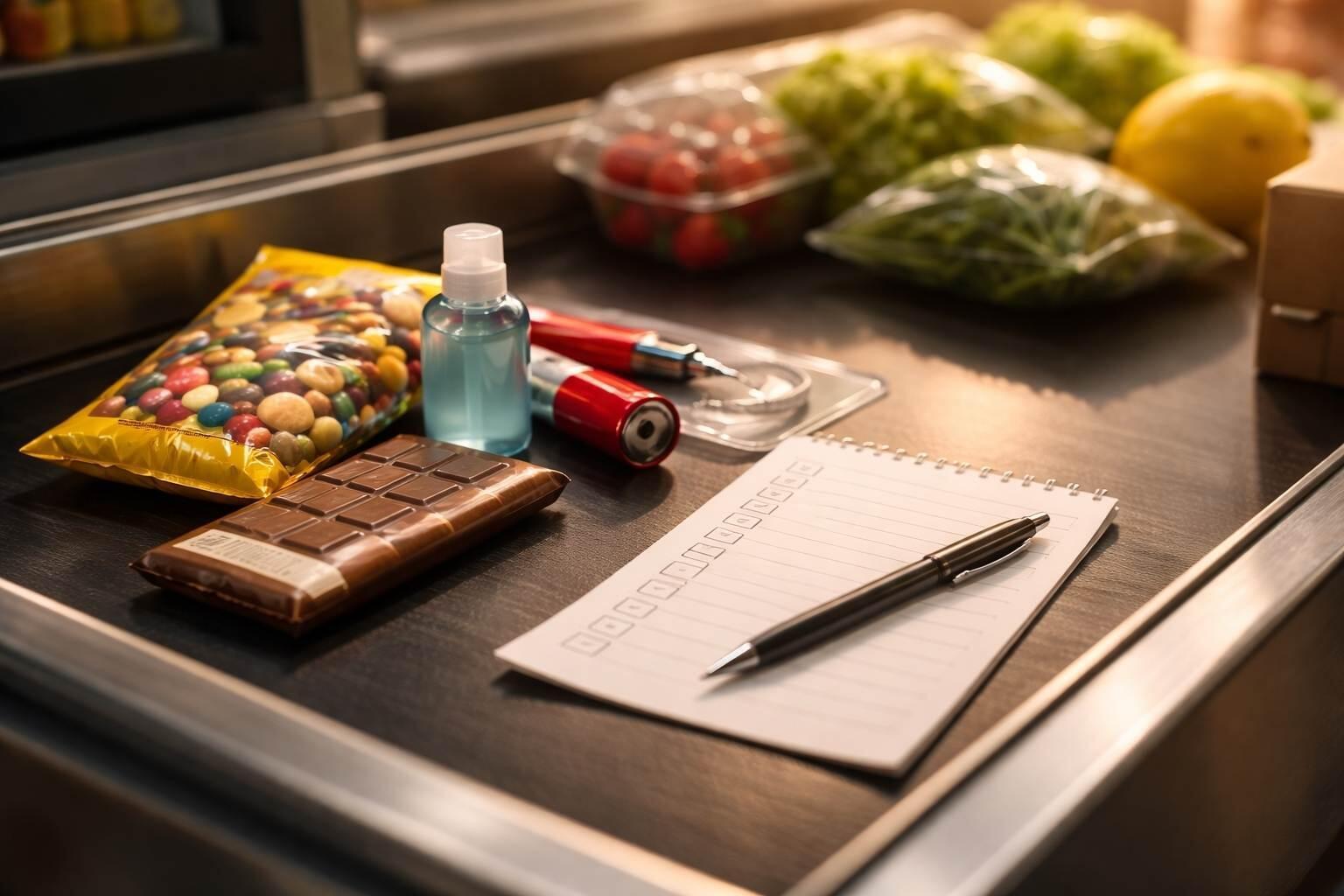
The $3–$15 add-ons—snacks, gadgets, limited-time offers, cute décor—can wreck your budget because they’re constant. They also rarely improve your life long-term.
Save-money swap ideas:
Shop with a list and a spending cap
Use “one in, one out” for small categories like décor, mugs, or skincare
Turn off shopping notifications and promotional emails
Quick win: Add items to a wishlist instead of your cart and revisit later.
7) Bank Fees and Interest Charges You Can Avoid
Overdraft fees, monthly account fees, and credit card interest are “negative savings.” Paying fees is like lighting money on fire—especially when simple systems can prevent them.
Save-money swap ideas:
Set up low-balance alerts and autopay minimums
Keep a small buffer (even $50–$200) in checking to avoid overdrafts
Look for fee-free accounts and negotiate bills when possible
If you carry credit card balances, focus on a payoff plan to reduce interest
Quick rule: Treat fees like emergencies—they’re a sign your system needs fixing.
A Simple 10-Minute Checklist to Save Money This Week
Use this quick action plan to turn ideas into actual savings:
Cancel one subscription you don’t use
Pick 3 “home drink” days this week
Plan 2 lazy dinners to avoid takeout
Swap 5 grocery items for store brand
Set a 48-hour rule for non-essential purchases
Turn off shopping emails/notifications
Set a checking buffer and low-balance alert
Even doing two or three of these can free up cash immediately.
How to Turn These Savings Into Real Progress
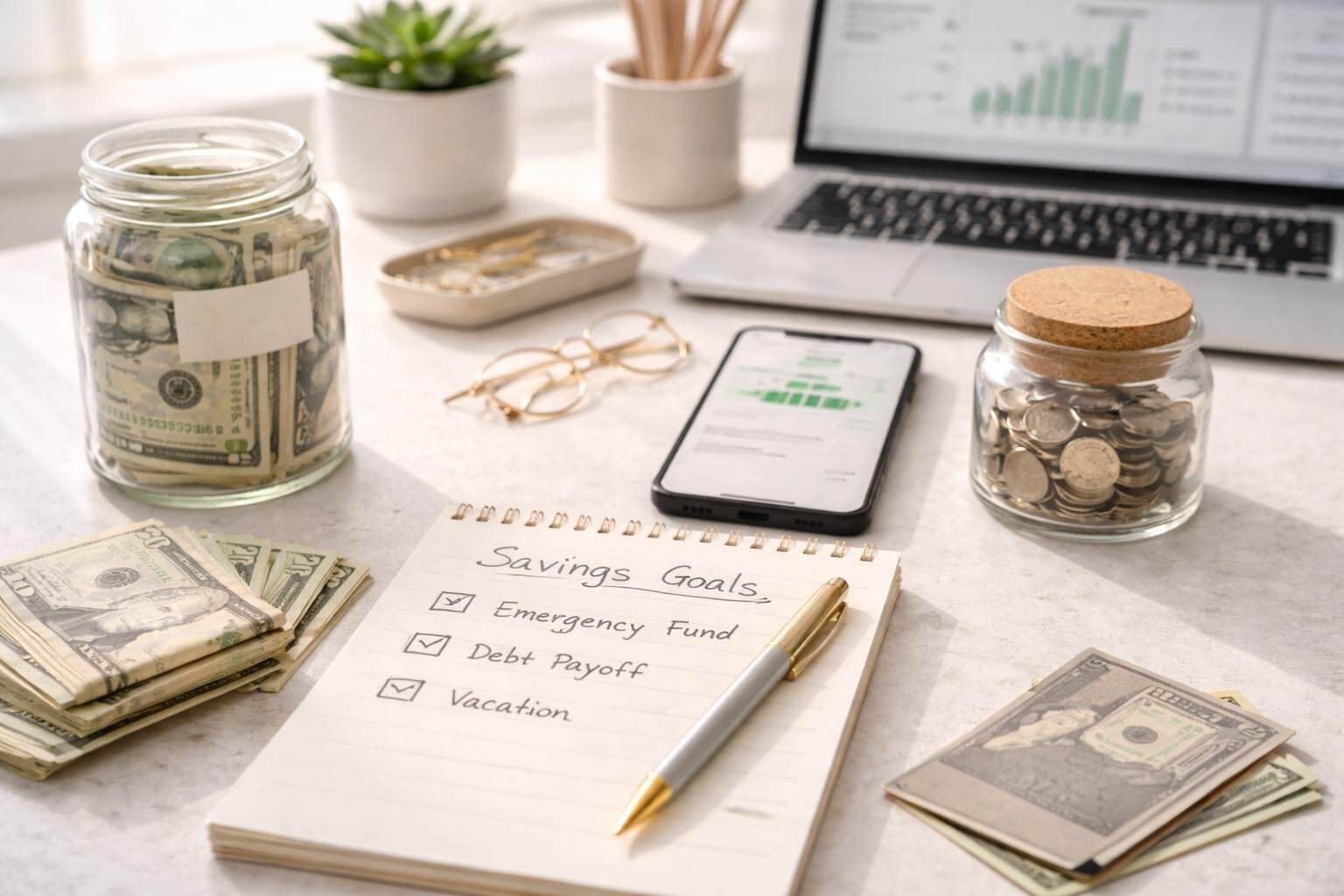
The fastest way to feel results is to give your “saved money” a job. Otherwise, it disappears into random spending.
Try this simple system:
Automate a savings transfer right after payday (even $10–$50).
Create one clear goal (emergency fund, debt payoff, travel, investing).
Track your wins weekly—little progress builds momentum.
You don’t need to overhaul your entire life to save money fast. Pick one category to cut this week, make the swap easy, and let the savings stack up—one smarter decision at a time.
More tips for your financial journey